



Home renovations in Melbourne are changing. Homeowners across the south-east, bayside, and peninsula suburbs are making different choices than they did even two years ago. The priorities have shifted from pure aesthetics to comfort, energy savings, and long-term value.
Whether you are planning a full home renovation or updating a single room, knowing the latest home renovation trends helps you spend your budget where it counts. This guide covers the 10 trends Melbourne homeowners are choosing most in 2026 and explains why each one works.
1. Sustainable and Eco-Friendly Materials
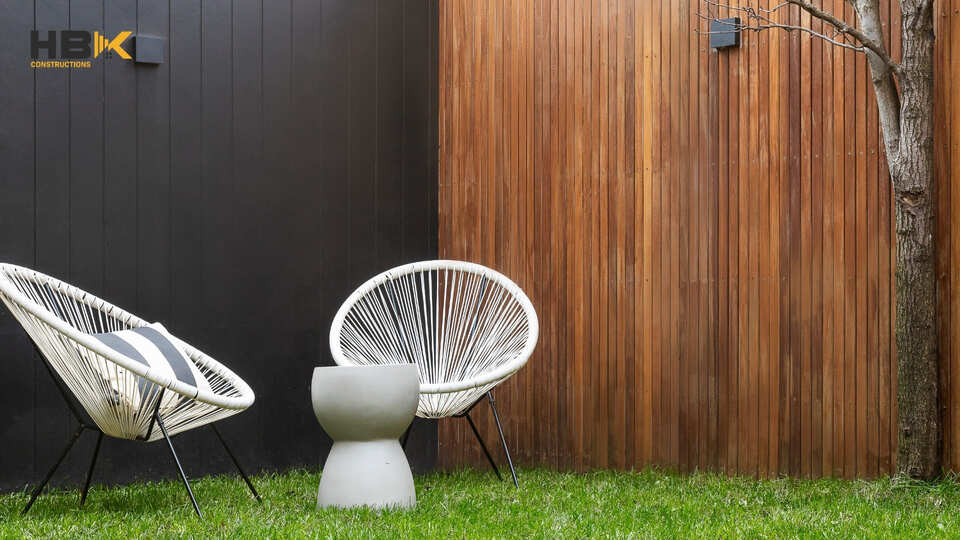
Melbourne homeowners are choosing recycled timber, bamboo flooring, and low-VOC paints more than ever. Green building materials now cost only 8 to 15 percent more than conventional options, and government rebates help offset the difference.
Demand for certified sustainable products has risen over 30 percent since 2023. For home renovations in Melbourne, this shift is not just about the environment. Sustainable materials often last longer and perform better in Victoria’s variable climate.
Popular choices include reclaimed hardwood for flooring, recycled steel for structural work, and low-emission insulation. These materials pair well with both period homes in Elsternwick and modern builds in Bentleigh East. If you are wondering what home improvements add the most value, sustainable upgrades are now near the top of the list.
2. Smart Home Technology Integration
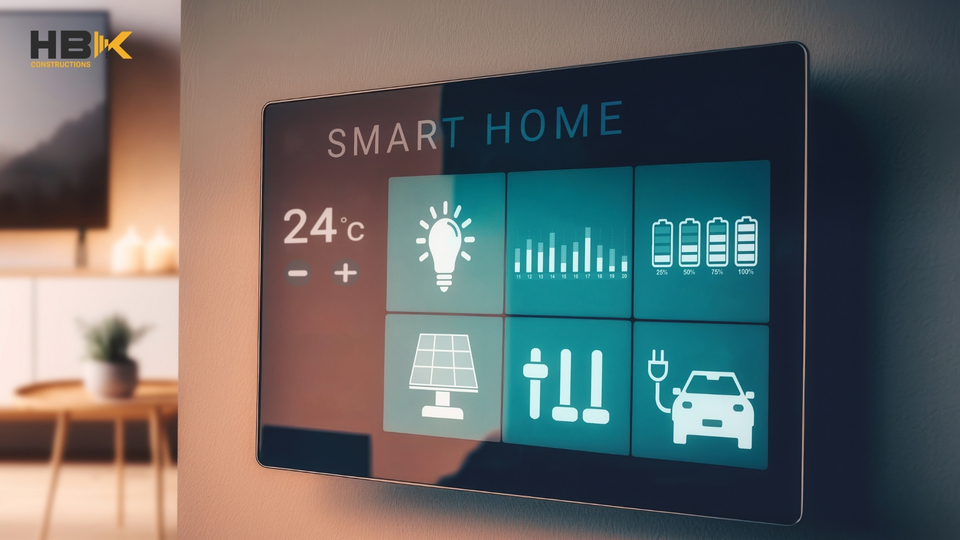
Australia’s smart home sector is projected to reach $6.1 billion by 2027. Melbourne homeowners are adding voice-activated lighting, automated climate control, and integrated security systems during renovations rather than retrofitting later
A basic smart home setup costs between $2,000 and $5,000 when included as part of a renovation. Adding it during the build saves money on wiring and installation compared to doing it after the fact.
Smart thermostats, automated blinds, and app-controlled lighting are the most requested features in full home renovations Melbourne homeowners complete through HBK Constructions.
3. Indoor-Outdoor Living Connections
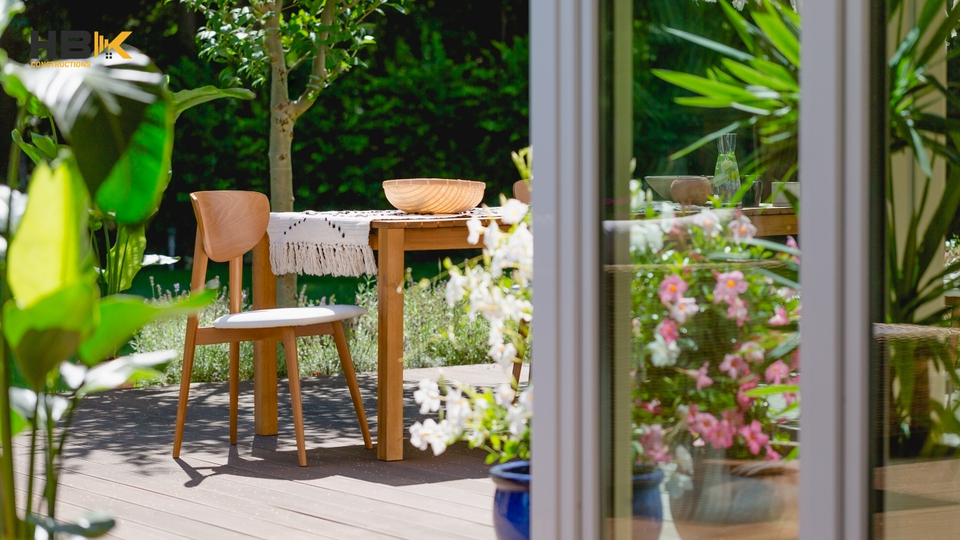
Melbourne homeowners are removing the barrier between inside and outside. Bi-fold and sliding stacker doors, covered alfresco areas, and outdoor kitchens turn backyards into year-round living spaces.
Quality outdoor living areas add 5 to 10 percent to property values. Costs range from $15,000 for a basic covered pergola to $80,000 or more for a full outdoor kitchen and entertainment setup.
This trend is strong across Bayside, Kingston, and the Mornington Peninsula, where homeowners want to make the most of their outdoor space. For more on this approach, read the HBK Constructions guide on indoor outdoor living in Melbourne.
4. Energy Efficiency Upgrades
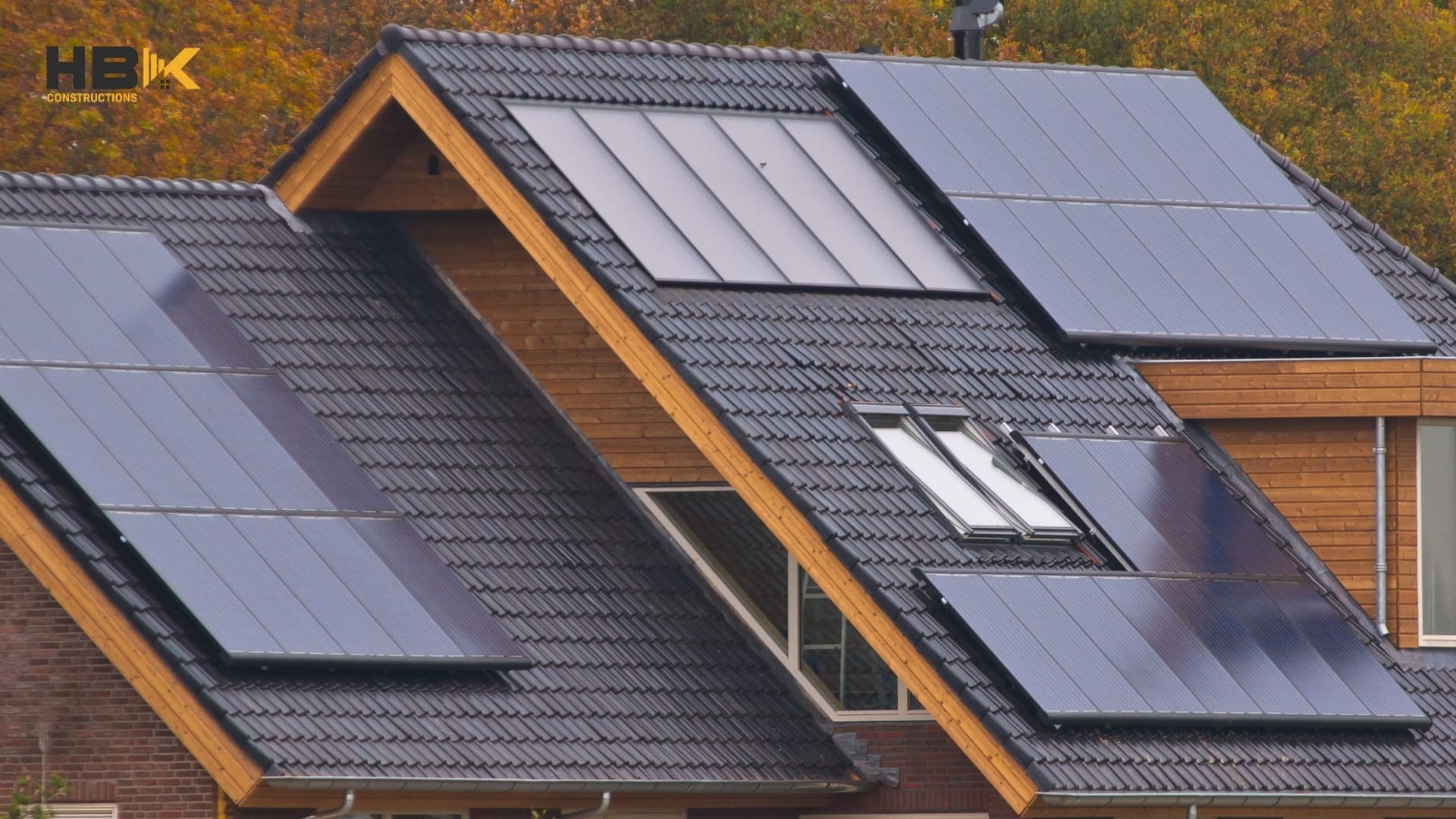
With household electricity bills rising 18 percent in 2024, Melbourne homeowners are using renovations as an opportunity to cut running costs. Solar panels, heat pump hot water systems, and high-performance insulation are now standard inclusions in many home renovation projects.
A 6.6kW solar system costs $4,000 to $8,000 after rebates. Double-glazed windows, draught sealing, and upgraded insulation pay for themselves within three to five years through lower energy bills
HBK Constructions includes energy efficiency recommendations as part of every full home renovation in Melbourne, so homeowners can make informed choices about where to invest.
5. Multi-Functional Living Spaces
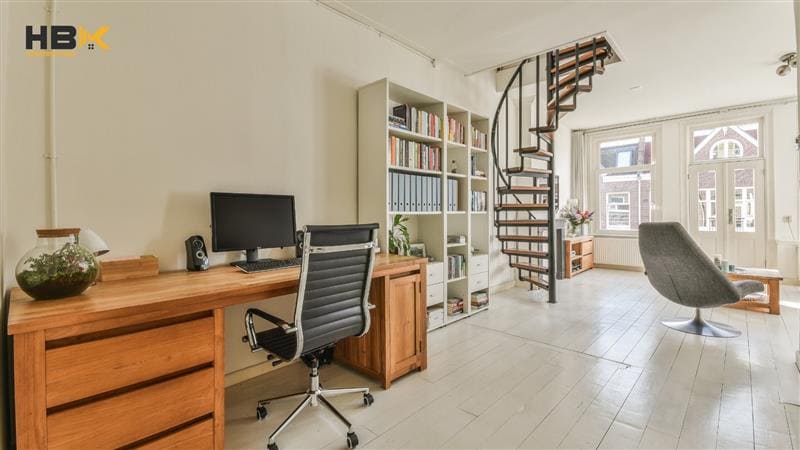
With 37 percent of Australian workers now working from home at least part of the week, dedicated home offices have become one of the latest home renovation trends. A purpose-built home office costs between $5,000 and $15,000 depending on size, acoustic separation, and built-in storage.
Beyond offices, Melbourne homeowners are creating flexible rooms that serve multiple purposes. A guest bedroom that doubles as a study. A living area with a concealed Murphy bed. A garage conversion that works as both gym and workshop.
Home extensions in Melbourne are a popular solution when existing floor plans do not support the extra space.
6. Wellness-Focused Bathroom Design
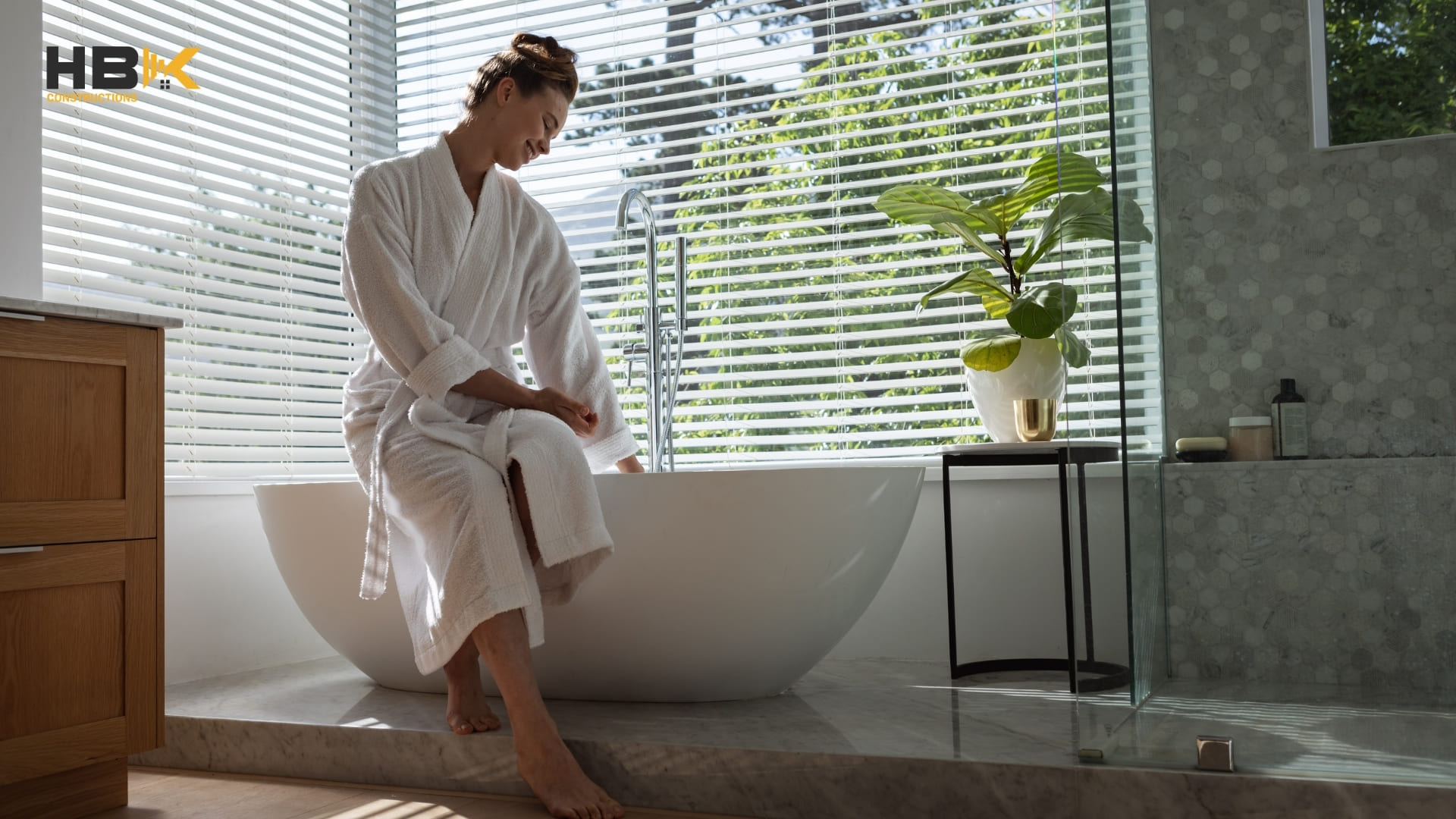
Bathrooms are no longer just functional. Melbourne homeowners are investing in spa-like features including steam showers, heated floors, chromotherapy lighting, and freestanding soaking tubs.
Around 67 percent of renovators now prioritise wellness features in their bathrooms. These upgrades add $8,000 to $25,000 to the renovation cost but consistently rank among the highest-value improvements for resale.
For ideas on creating a modern, wellness-focused bathroom, visit the HBK Constructions bathroom renovations Melbourne page. You can also read about modern bathroom renovation design features and explore luxury bathroom renovation options with cost breakdowns.
7. Bold Colours and Personalised Finishes
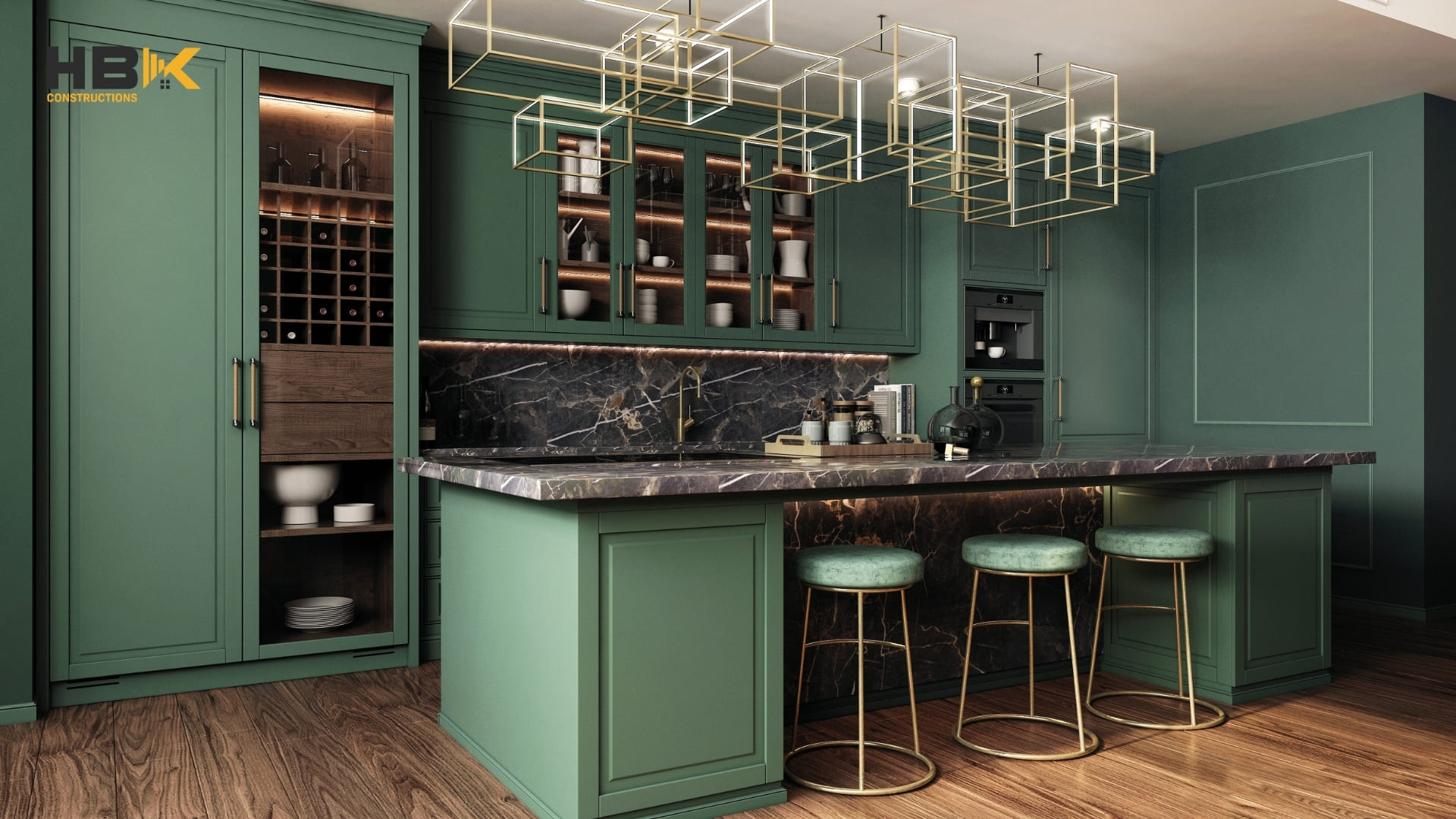
The all-white, grey-on-grey kitchen is fading. Melbourne homeowners are choosing rich blues, deep greens, and warm terracotta tones for cabinetry, feature walls, and tiles.
Warm neutrals like taupe, mushroom, and clay are replacing cool greys as the base palette. Custom cabinetry, handmade tiles, and bespoke fixtures let homeowners put their own stamp on a renovation.
This trend is showing up in kitchen renovations across Melbourne, where painted cabinets in dark tones paired with brass or bronze hardware create a layered, collected look. For more on kitchen design choices, read unique ideas for kitchen remodelling and why replacing cabinets during a remodel makes sense.
8. Natural Materials and Biophilic Design
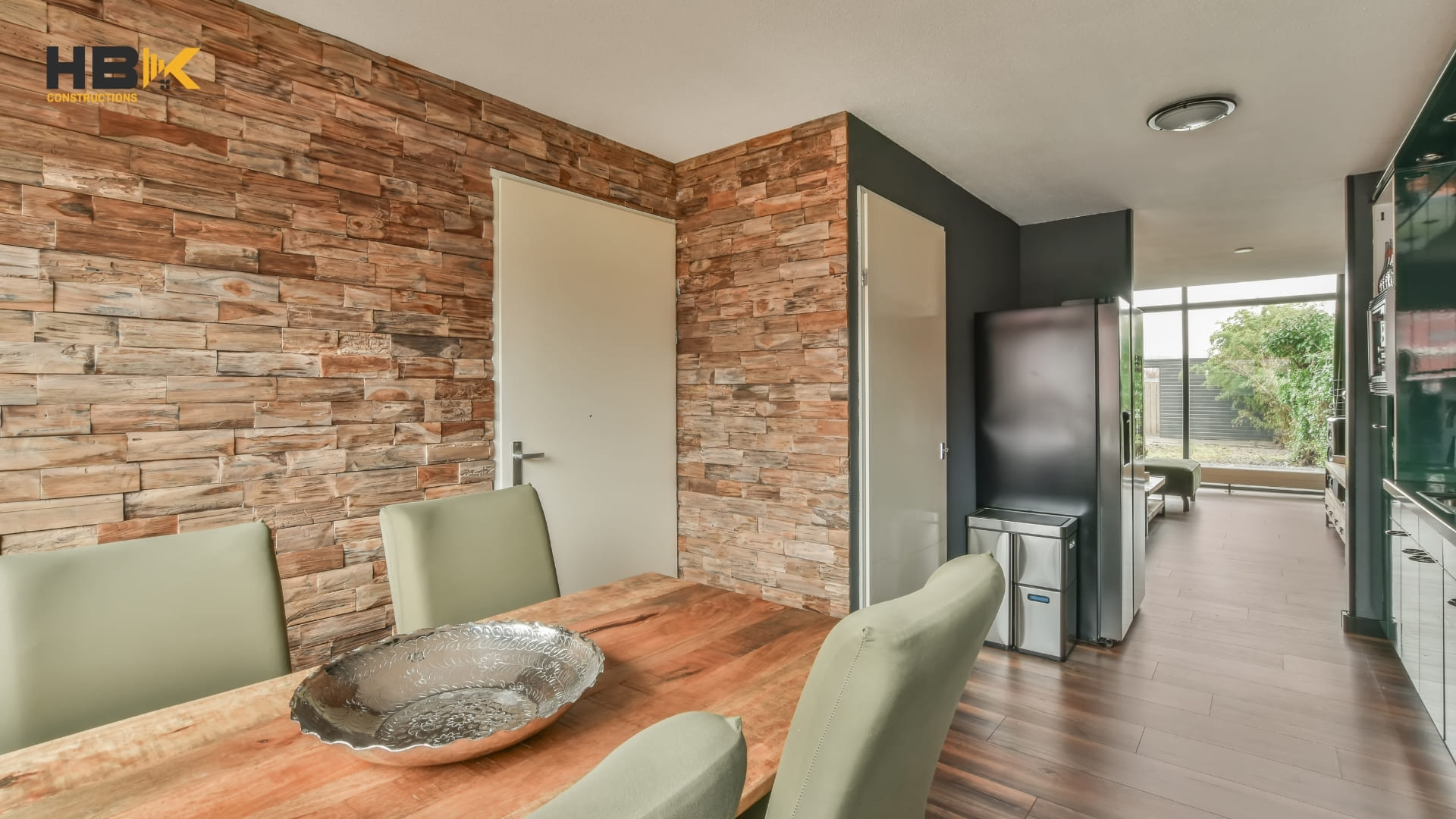
Timber, stone, and natural textiles are replacing synthetic surfaces. Biophilic design (bringing natural elements indoors) reduces stress, improves air quality, and creates warmer interiors.
Feature walls in natural stone, timber-clad ceilings, and indoor planting are popular across Melbourne’s renovation projects. Earthy colour palettes including caramel, burnt orange, and moss green complement these materials.
Natural materials typically add 10 to 20 percent to material budgets, but the results last longer and age better than synthetic alternatives.
9. Heritage Preservation with Modern Extensions
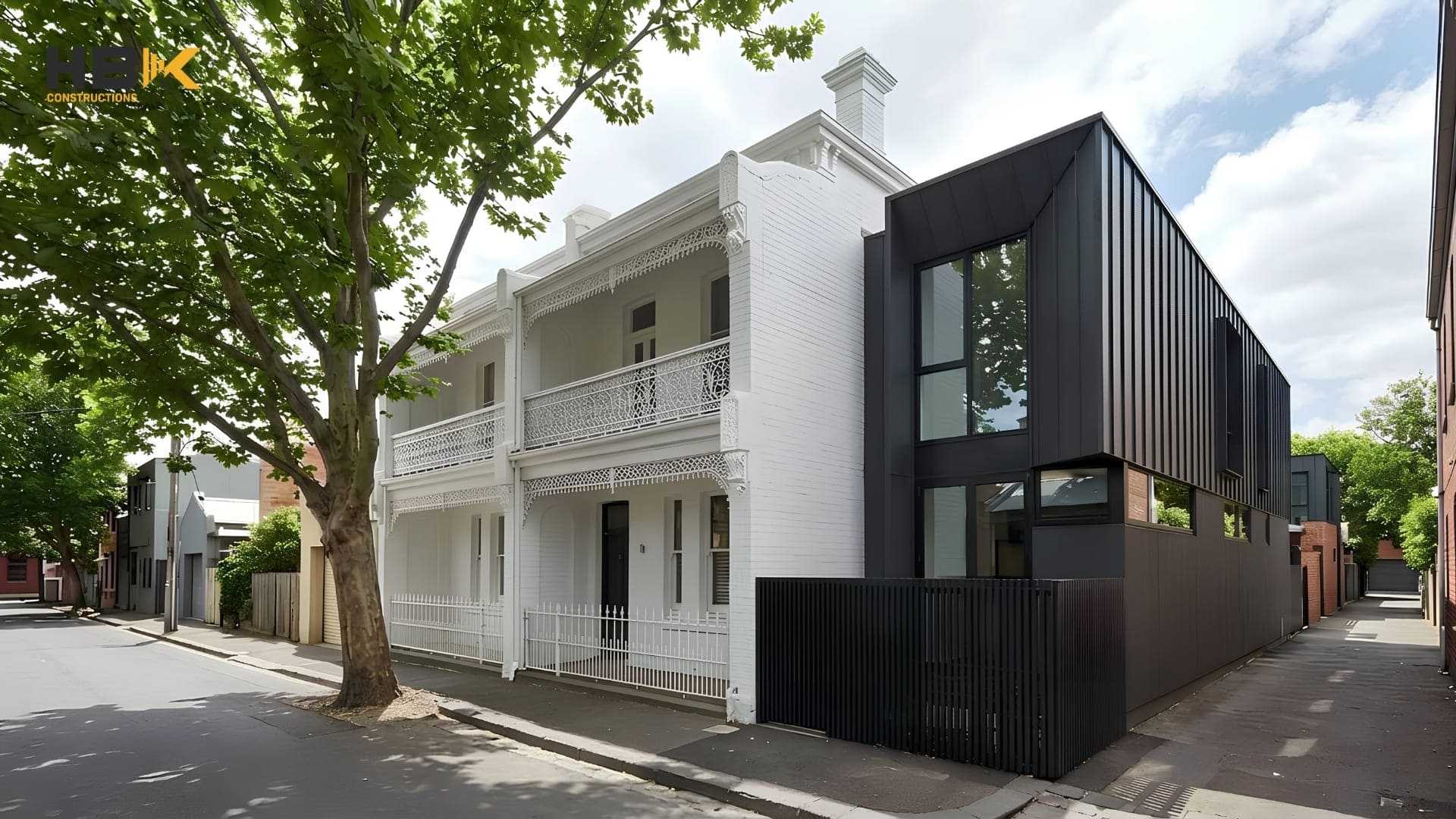
Melbourne has one of Australia’s richest stocks of period homes. Victorian terraces, Edwardian cottages, and Federation-style houses are being restored at the front while modern extensions are added at the rear.
This approach preserves the streetscape and heritage character while giving families the open-plan living, modern kitchen, and indoor-outdoor flow they need. It also satisfies heritage overlay requirements in suburbs like Brighton, Hampton, and Toorak.
HBK Constructions has experience combining heritage restoration with contemporary extensions across Melbourne’s south-eastern and bayside suburbs. For practical advice on connecting old and new structures, read the HBK guide on home extensions Melbourne: tying old to new without cracks.
10. Aging-in-Place and Accessibility Features
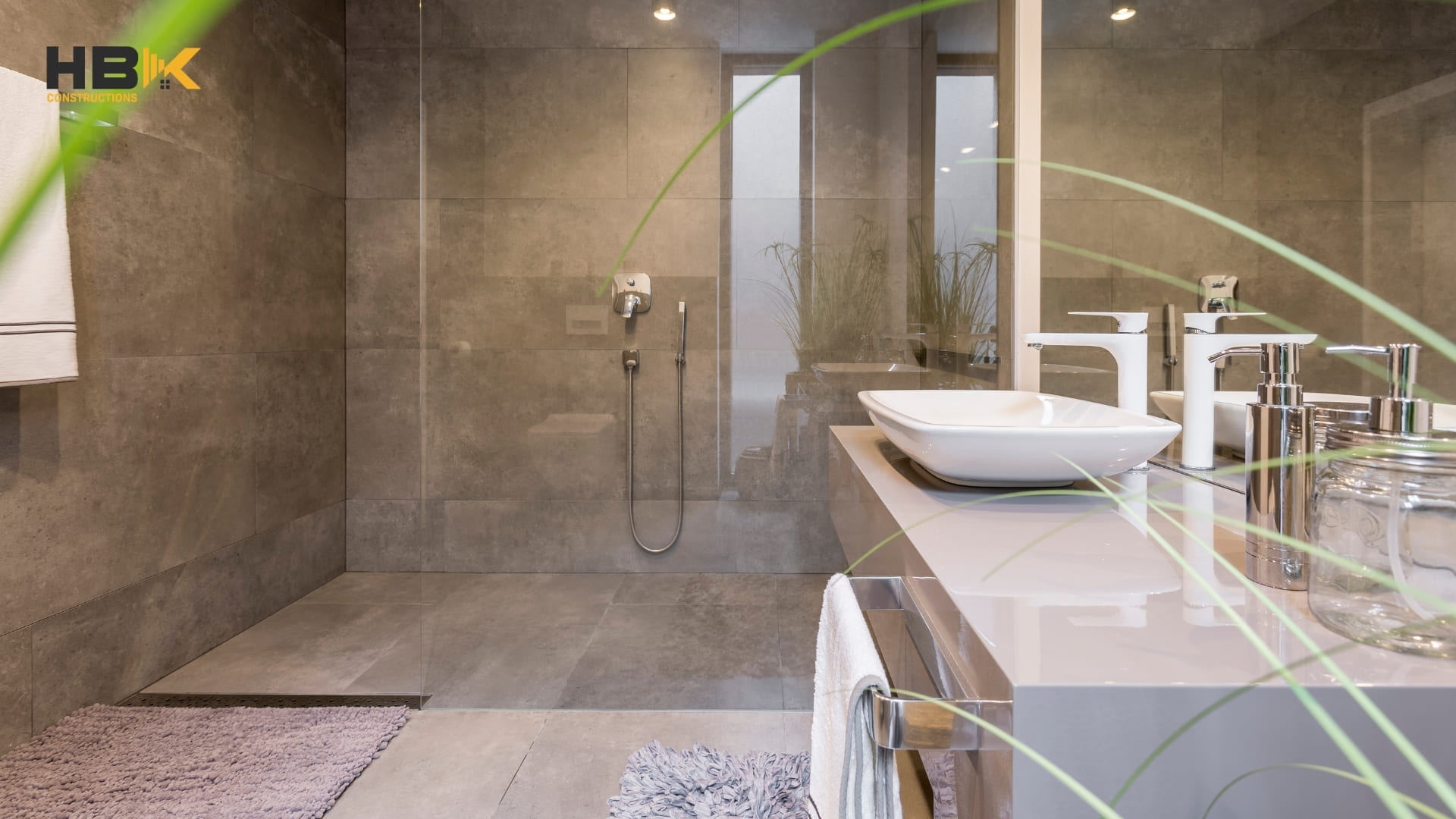
With 22 percent of Australians projected to be over 65 by 2030, accessibility is now a mainstream renovation consideration. Curbless showers, lever door handles, wider doorways, and non-slip flooring are being included in renovations by homeowners of all ages.
Including these features during a renovation costs 30 to 50 percent less than retrofitting them later. For Melbourne homeowners planning to stay in their home long-term, this is a practical investment that also broadens the buyer pool if you decide to sell. Read more about the pros and cons of walk-in tubs as one popular accessibility option.
What Are the Most Popular Home Renovations in Melbourne Right Now?
Bathrooms and kitchens remain the most popular rooms to renovate in Melbourne. Full home renovations that combine multiple rooms into a single project are also increasing, as homeowners find it more cost-effective to renovate once rather than in stages.
Outdoor living upgrades and home extensions round out the top four. Energy efficiency improvements are often added to larger projects rather than done as standalone work.
If you are weighing up which renovation to start with, the room that causes the most daily frustration is usually the right answer. Not sure where to begin? Read how to start renovating your house and what a full remodel includes.
How Much Does a Home Renovation Cost in Melbourne in 2026?
Costs vary based on scope, materials, and the condition of your existing home. Here are typical ranges for Melbourne in 2026:
You can go all out or make some minor improvements. The decision is up to you and what you have the funds to do. Some ideas are:
- Bathroom renovation: $10,000 to $36,000
- Kitchen renovation: $15,000 to $55,000
- Full home renovation: $50,000 to $200,000+
- Home extension: $2,000 to $4,500 per square metre
- Deck or pergola: $8,000 to $40,000
Always add a 10 to 15 percent buffer for unexpected costs like hidden water damage, asbestos removal, or outdated wiring. A fixed-price contract removes the risk of budget blowouts once work begins.
Should You Renovate or Sell Your Melbourne Home in 2026?
With stamp duty, agent fees, and moving costs often exceeding $80,000 on a mid-range Melbourne property, more homeowners are choosing to renovate rather than relocate. A well-planned renovation lets you stay in a suburb you love, keep your kids in the same school, and build exactly the home you want.
The key is spending your budget where it adds the most value. Kitchens, bathrooms, and outdoor living areas consistently deliver the strongest return on investment for Melbourne homes. For a detailed cost comparison, check is it cheaper to build or remodel and things to consider when remodelling your home.
Frequently Asked Questions
Q:What home renovation adds the most value in Melbourne?
A: Kitchen and bathroom renovations deliver the highest return. A modern kitchen can add 5 to 10 percent to your property value. Updated bathrooms with quality fixtures and proper waterproofing also perform well at resale.
Q: Do I need council approval for a home renovation in Melbourne?
A: Standard internal renovations like bathroom and kitchen updates generally do not require a planning permit. Structural changes, extensions, and work on heritage-listed properties may need council approval. Your builder should advise on permit requirements before work starts.
Q: How long does a full home renovation take in Melbourne?
A: A full home renovation typically takes three to six months depending on the scope. Kitchen and bathroom renovations take two to six weeks. Extensions can take four to eight months including design and council approvals.
Q: How do I choose the right renovation contractor in Melbourne?
A: Ask for recent project photos, check Google reviews, confirm they hold the correct builder’s licence, and request a fixed-price quote in writing. A good contractor communicates clearly, sticks to timelines, and does not ask for large upfront deposits.
Ready to Start Your Home Renovation?
HBK Constructions delivers home renovations across Melbourne’s south-eastern, bayside, and peninsula suburbs. With 20+ years of experience and fixed-price contracts, you know exactly what you are paying before work begins. No hidden costs. No surprise variations.
Here is what sets HBK apart:
- Fixed-price contracts. You know the total cost before work begins. No variations. No hidden fees.
- End-to-end project management. Design, demolition, plumbing, tiling, and finishing are all handled in-house.
- Local expertise. HBK serves Glen Eira, Bayside, Kingston, Mornington Peninsula, and surrounding suburbs.
- 20+ years of experience. Quality workmanship and materials that last.
Our services:
- Full Home Renovations Melbourne
- Kitchen Renovations Melbourne
- Bathroom Renovations Melbourne
- Home Extensions Melbourne
- Decking and Pergolas Melbourne
HBK Constructions
The HBK Constructions team has over 20 years of combined experience delivering bathroom renovations, kitchen renovations, home renovations, home extensions, laundry renovations, pool renovations, and decking & pergola projects across Melbourne. Our articles are based on real renovation experience, current industry practices, and local building standards to help homeowners make informed renovation decisions.
Contact HBK Constructions for a free consultation and fixed-price quote.
Phone: 0400 200 415
Email: info@hbkconstructions.com.au
Website: hbkconstructions.com.au